7 E-Commerce Personalization Trends That Will Undoubtedly Change the Industry in 2023
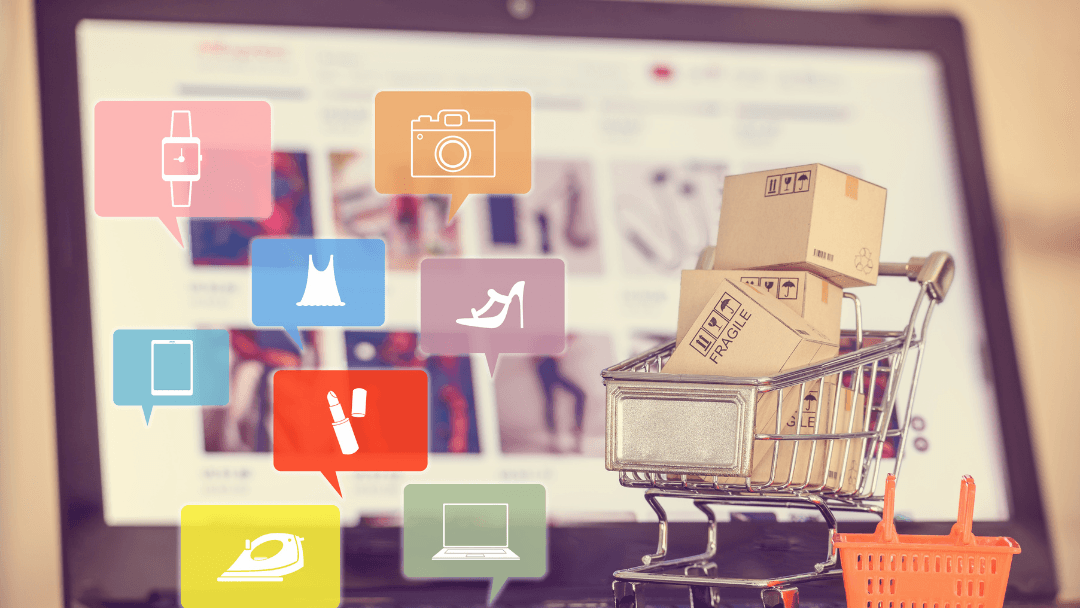
1. Personalized Product Recommendations:
In 2023, personalized product recommendations will become increasingly prevalent in the e-commerce industry. By using machine learning algorithms, e-commerce sites will be able to analyze a customer's browsing and purchase history, as well as their demographics and behaviour, to provide personalized product recommendations. These recommendations will be tailored to a customer's individual preferences and interests, making the shopping experience more convenient and efficient. As a result, customers will be more likely to find products they are interested in, and e-commerce sites will see an increase in conversions and sales. Personalized product recommendations will become a key differentiator for e-commerce sites, as they will be able to provide a more personalized and enjoyable shopping experience than their competitors.
2. Customized Customer Experiences:
E-commerce sites will be increasingly focused on providing customized customer experiences. By using data and analytics, companies will be able to gather information on customers' preferences, behaviour, and history, and use this information to create personalized experiences that cater to each individual customer. This could include personalized homepage layouts, tailored product recommendations, or targeted promotions. Additionally, companies will use this data to segment customers into different groups and provide different experiences for each group. This increases the chances of them returning to the e-commerce site, leading to more conversions and sales.
3. Personalized Communication:
Personalized communication will become a key strategy for e-commerce companies looking to build strong relationships with their customers. By using data and analytics, companies will be able to segment their customers into different groups and tailor their communication to each group. This could include targeted email marketing campaigns, personalized push notifications, or SMS marketing messages. Personalized communication will allow e-commerce companies to reach their customers with relevant and timely messages, increasing the chances of them engaging with the brand and making a purchase. Additionally, companies will use data to personalize the content of the communication, making it more engaging and relevant to the customer. Personalized communication will enable companies to differentiate themselves from their competitors by providing a more personalized and enjoyable experience for the customer, leading to increased customer loyalty and sales.
4. Virtual Try-On and Augmented Reality:
virtual try-on and augmented reality technologies will become more prevalent in the e-commerce industry, allowing customers to see how products will look on them before purchasing. This technology will be particularly useful for clothing and fashion items, allowing customers to see how a piece of clothing fits and how it might look with different outfits. Augmented Reality will also be used to showcase products in a more interactive way, giving customers a more immersive experience. This technology will be integrated into e-commerce websites and mobile apps, making it easy for customers to use.
By providing customers with a virtual try-on option, e-commerce sites will be able to reduce the number of returns due to customers not being satisfied with how a product looks on them. Additionally, it will also increase the chances of customers making a purchase, as they will be more confident in their decision. Virtual try-on and augmented reality will also make the shopping experience more fun and engaging for customers, providing a more immersive and personalized shopping experience.
5. Voice-enabled Shopping:
Customers will increasingly use voice assistants such as Amazon Alexa, Google Assistant, and Apple Siri to make purchases. E-commerce sites will integrate voice commands to allow customers to browse products, add items to their cart, and complete purchases using just their voice. This will make the shopping experience more convenient and efficient for customers, as they will be able to shop while doing other tasks, such as cooking or cleaning.
Voice-enabled shopping will also help e-commerce companies to reach new customers, as it will make shopping more accessible for people who have difficulty using traditional online shopping interfaces, such as the elderly or people with disabilities. Additionally, with the growing trend of smart home devices, voice-enabled shopping will be more convenient for customers as they can make a purchase without needing to take out their phone or computer. This will increase the chances of impulse buying.
6. Personalized Subscriptions:
Personalized subscriptions will become an important strategy for e-commerce companies looking to build long-term relationships with their customers. Personalized subscriptions allow customers to subscribe to receive a regular delivery of products, such as clothing, food, or household items. By subscribing, customers will be able to save money and time, as they will not have to worry about running out of products or having to go out and purchase them again.
E-commerce sites will use data and analytics to personalize the subscription experience for each customer. This could include tailoring the frequency of deliveries, the products that are included in the subscription, or the price of the subscription. Additionally, companies will use data to segment customers into different groups and provide different subscriptions for each group. This level of personalization will make the customer feel valued and understood and increase the chances of them returning to the e-commerce site and generating recurring revenue.
7. Data-Driven Personalized Marketing:
Companies will use data and analytics to understand their customers better and target their marketing efforts more effectively. By collecting data on customer behaviour, preferences, and purchase history, e-commerce companies will be able to create highly targeted marketing campaigns that increase the chances of conversion. This could include targeted email marketing campaigns, personalized product recommendations, or retargeting ads that show products that customers have previously viewed but have yet to purchase.
Additionally, companies will use data to personalize the content of the marketing messages, making them more relevant and engaging for the customer. This could include using a customer's name in the subject line of an email or suggesting products that are similar to ones that a customer has previously purchased. This increases the chances of customers engaging with the brand and making a purchase.
Download Our Free E-Book And Get Started Today!
Subtext supporting the title. Lorem ipsum dolor sit amet consectetur. Turpis ullamcorper volutpat augue.
