How to Avoid the 5 Most Common Personalization Mistakes on Your Ecommerce Store
Online businesses are always seeking new ways to achieve high customer retention rates and enhance the customer experience in their eCommerce stores.
If you run an online business, you're probably aware of the plethora of advantages it has over conventional brick-and-mortar retail stores. eCommerce is agile and responsive, and your online store has all the potential to reach a global marketplace by harnessing customer data and intelligence that traditional retailers do not have.
Statistics suggest that the retail eCommerce market is bound to grow in sales by by 2025. So, to make the most of the growing market share, eCommerce businesses all across the globe employ a multitude of strategies and tactics in the digital commerce domain to attract customers.
eCommerce personalization has been among the best over the years and is expected to continue being one. So, let's begin by discussing how to implement eCommerce personalization on your online store by leveraging customer information and Big Data.
Using Big Data for eCommerce Business Success
According to studies, gathered is never utilized or analyzed.
Consider how many potential resources and opportunities for personalization, digital sales, and revenue growth are hidden in this data. This is where the application of Big Data and customer information steps in to enhance digital customer experiences.
Let's look at some ways you can use it:
1. Identifying Customer Preferences
Big data is valuable for generating customer persona or consumer profiles. It enables you to ascertain the preferences of your customers, such as their favourite products, on-store browsing behaviour, or typical shopping hours. You can enhance your eCommerce store processes using this information.
Big data in eCommerce could also uncover some surprising patterns in consumer behaviour. For example, through the use of big data, Walmart found that customers who purchased diapers also preferred buying beer. This way, one can discover several cross-selling opportunities.
2. Providing Prompt Customer Support
Online stores can use big data to monitor customer service interactions, such as reporting response times which are crucial to customer experience. It can assist eCommerce businesses in:
• identifying possible concerns and solving them well before the consumer gets involved,
• tracking delivery timings, and
• measuring customer satisfaction levels and other key metrics like NPS.
3. Offering a Personalized Experience
You can't even think of surviving the extreme competition in almost every eCommerce niche without offering any layer of personalization to your customers. In fact, believe that personalization influences their purchasing decisions.
Customer information fed into Big Data Analytics can help you deliver personalized product recommendations in eCommerce categories, send promotional emails to specific customers, target them with relevant ads, etc.
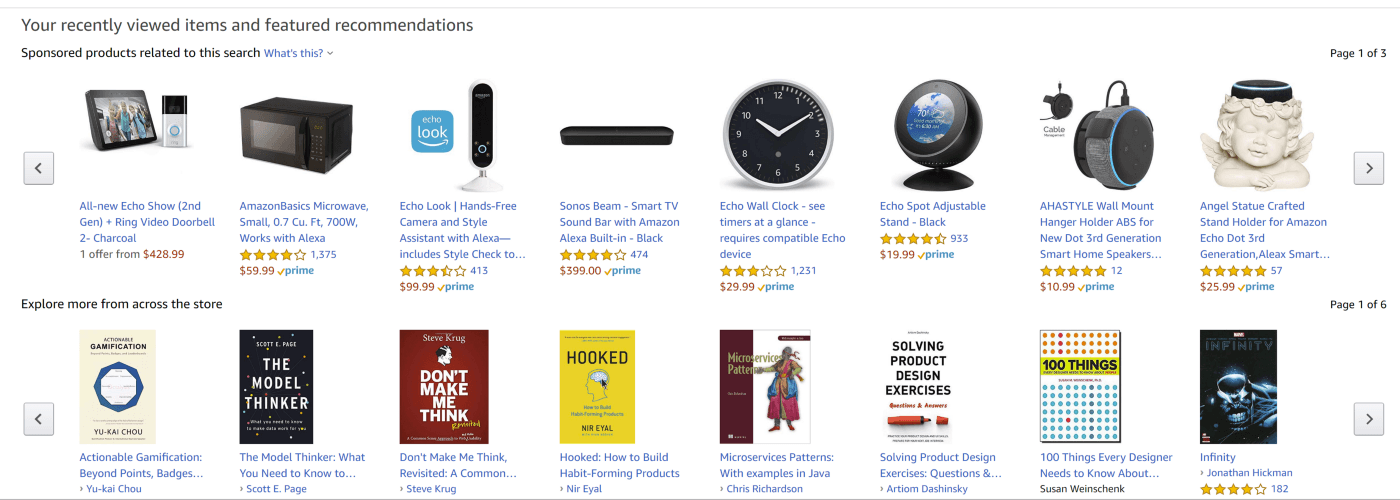
For example, Amazon utilizes a personalization product recommendation engine that serves as each customer's personal AI shopping assistant by displaying items based on user preferences and making cross-category recommendations. It helps increase Amazon's sales through up-selling and cross-selling.
Now you have an elementary idea of how Big Data, working in tandem with gathered customer information, helps bring more purchases to the eCommerce store. It's time to move forward and address a vital issue most eCommerce stores face while implementing personalization tactics with the ultimate aim to cater to customers more effectively.
Top 5 Personalization Mistakes to Avoid on Your eCommerce Store
Oftentimes, eCommerce stores struggle to make personalization effective. A few avoidable flaws in the implementation strategy are causing the large percentage of online businesses having trouble with personalization to perform poorly.
Here are some of the most common mistakes that could sabotage your efforts of personalization in eCommerce and result in falling customer numbers and sales rather than being on the other side of the spectrum. But, don't worry, you will also have the solution to the mistakes that we are about to discuss:
1. Lack of Customer-Centric Data
You need to gather a sizable amount of customer data to provide customers with a satisfying online shopping experience. Lacking this, your personalized recommendations strategies might seem more like a crap shoot, which may negatively impact your sales targets.
You should first analyze personal and social demographic data and purchasing and browsing behaviour on your eCommerce store to understand your customers comprehensively.
This data can then be transformed into predictive analytics to generate actionable insights. To add to the point, a report by Merkle suggests that for personalization in 76% of cases.
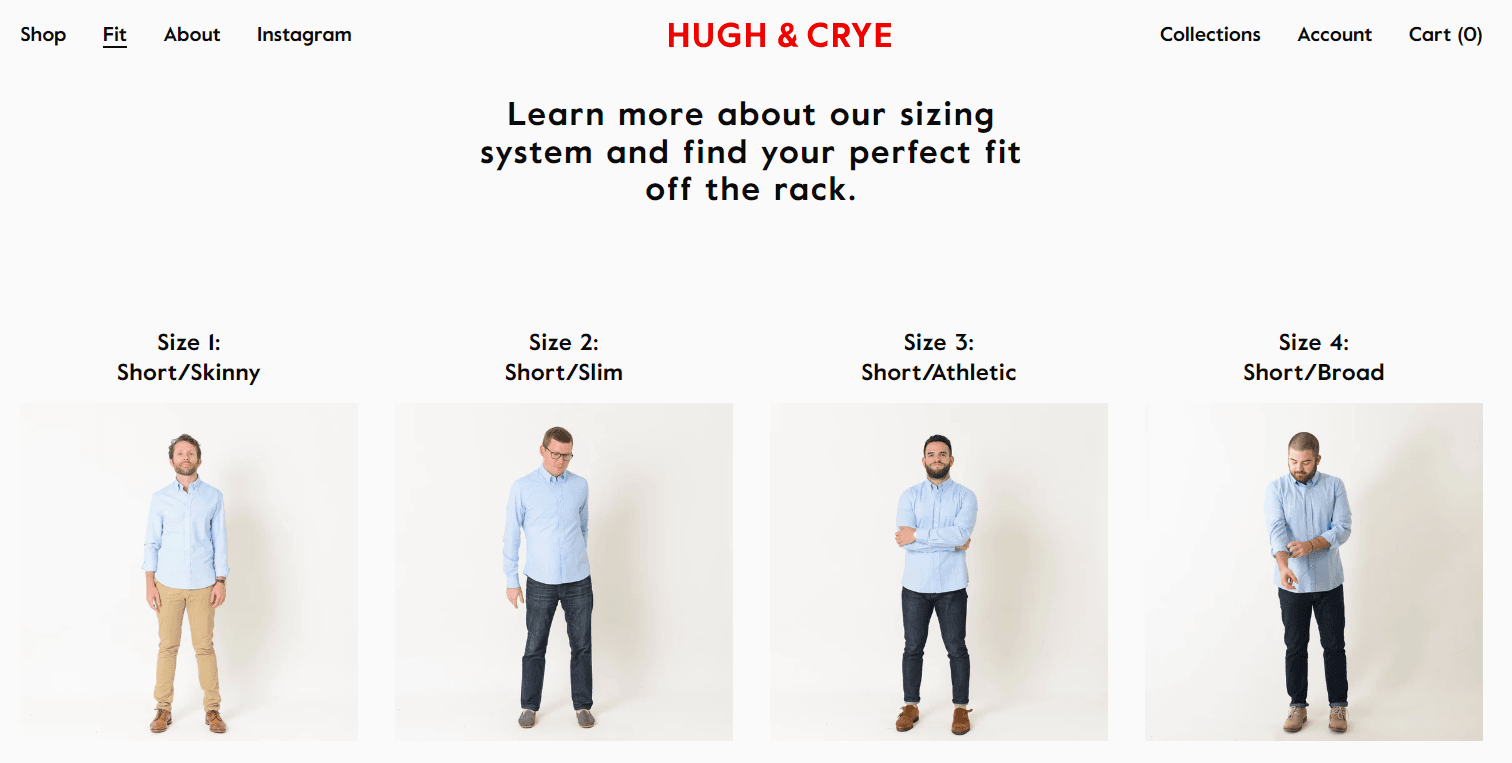
For instance, Hugh and Crye, a D2C men's apparel brand, performed a to allow customers to personalize their purchasing based on personal demographic data.
Customers can now pick multiple choices based on their size and body type using the tailored fit chart.
2. Too Much Personalization
There are numerous illustrations of businesses becoming overly intimate with personalized customer engagement and driving away visitors.
Think of yourself as a customer. You've probably also witnessed such a promotional attempt that seemed to step over the line at least once.
Customers may feel tracked and stalked if you use aggressive and invasive marketing tactics. Undoubtedly, you wouldn't want your customers to feel that way while engaging with your business.
To avoid making this e-commerce personalization blunder:
• devise your personalizing strategies keeping the end customer sentiments in mind,
• set firm guidelines for what information and content you include in personalization,
• avoid discussing extraneous data points in marketing, and
• carefully consider your branding tone and phrasing.
The most vital point is to use your data in an unbiased, transparent, and sensible manner so that customers can understand it. It's a good idea to follow and uphold existing legislation governing data privacy protection.
Always remember that while customers prefer personalized experiences, they object to privacy breaches that are unwanted and unethical.
3. Banking on Obsolete Customer Data
Over time, consumer behaviour will inevitably evolve. Customers' requirements, interests, and preferences change as they go through different stages of life. This shift in consumer behaviour is resultant of numerous time-dependent factors, such as the seasons, festivals, trends, ageing, lifestyle factors, etc.
This implies that the customer data gathered daily has a shelf life and will get outdated eventually. Data collection requires continuous maintenance and cannot be done once and for all.
Your business must remain on schedule with updating your customer data since a crucial component of a successful personalization strategy is staying on top of your consumers' evolving preferences.
Ensure the gathered data is up to date and promptly replenished for a successful personalization exercise. All you need is a top-performing CRM tool and Big Data Analytics capabilities.
4. Targeting Customers Through Content Repetition
Personalization is not a justification to keep using the same promotional content repeatedly. Presentation is vital in personalization and can be a game changer.
People grow bored of coming across the same old advertisement, marketing email, and message, whether or not it is personalized.
There are many excellent instances of brands using personalization in intriguing and engaging ways. Depending on the niche your eCommerce store caters to, you can adopt a different personalization strategy.
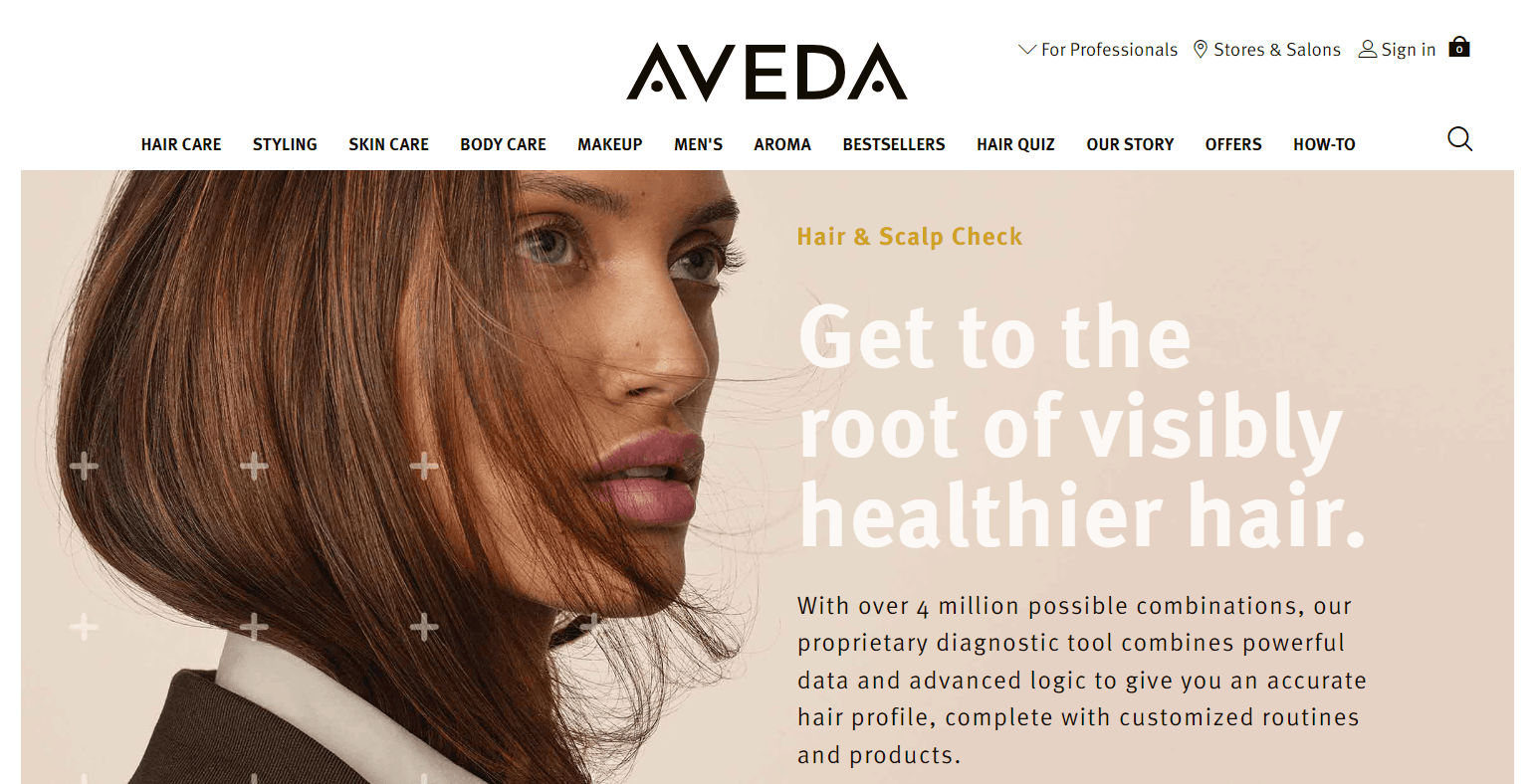
For instance, , a beauty care brand, requests customers when they visit the online store to participate in a series of engaging quizzes on skin and hair care to figure out and recommend the most suitable products, treatments, and personalized content based on individual responses.
Be innovative and experimental with your personalization, and keep your style and content fresh and relevant to the receiver. Use your personalization approach as a differentiator and strategic edge in addition to the fundamental personalization processes.
5. Not Performing A/B Testing
Many eCommerce retailers create personalization strategies just to believe their tasks are accomplished once the update is executed. It's highly improbable that you'll maximize the performance of any particular strategy after the first endeavour.
To maximize your campaign's effectiveness, you must establish a consistent A/B testing process. Keep testing, experimenting, and adjusting variables to determine which aspects of personalization are most effective for your customers and your eCommerce store's profitability.
A/B testing might cost a lot of money or take many hours of work, but the benefits can be astounding and enormous.
Conclusion
Growing customer demands and awareness of the value of personalization have made it essential for businesses operational in virtually every industry, not just in eCommerce.
Statistics also tell the same story: over believe delivering a personalized experience to the end customer is the need of the hour and among the top priorities.
Refer to the above-discussed elements and avoid eCommerce personalization mistakes to reap the maximum benefits from personalization without compromising customer shopping experiences in your eCommerce store.
Visit to learn more about the .
Download Our Free E-Book And Get Started Today!
Subtext supporting the title. Lorem ipsum dolor sit amet consectetur. Turpis ullamcorper volutpat augue.
